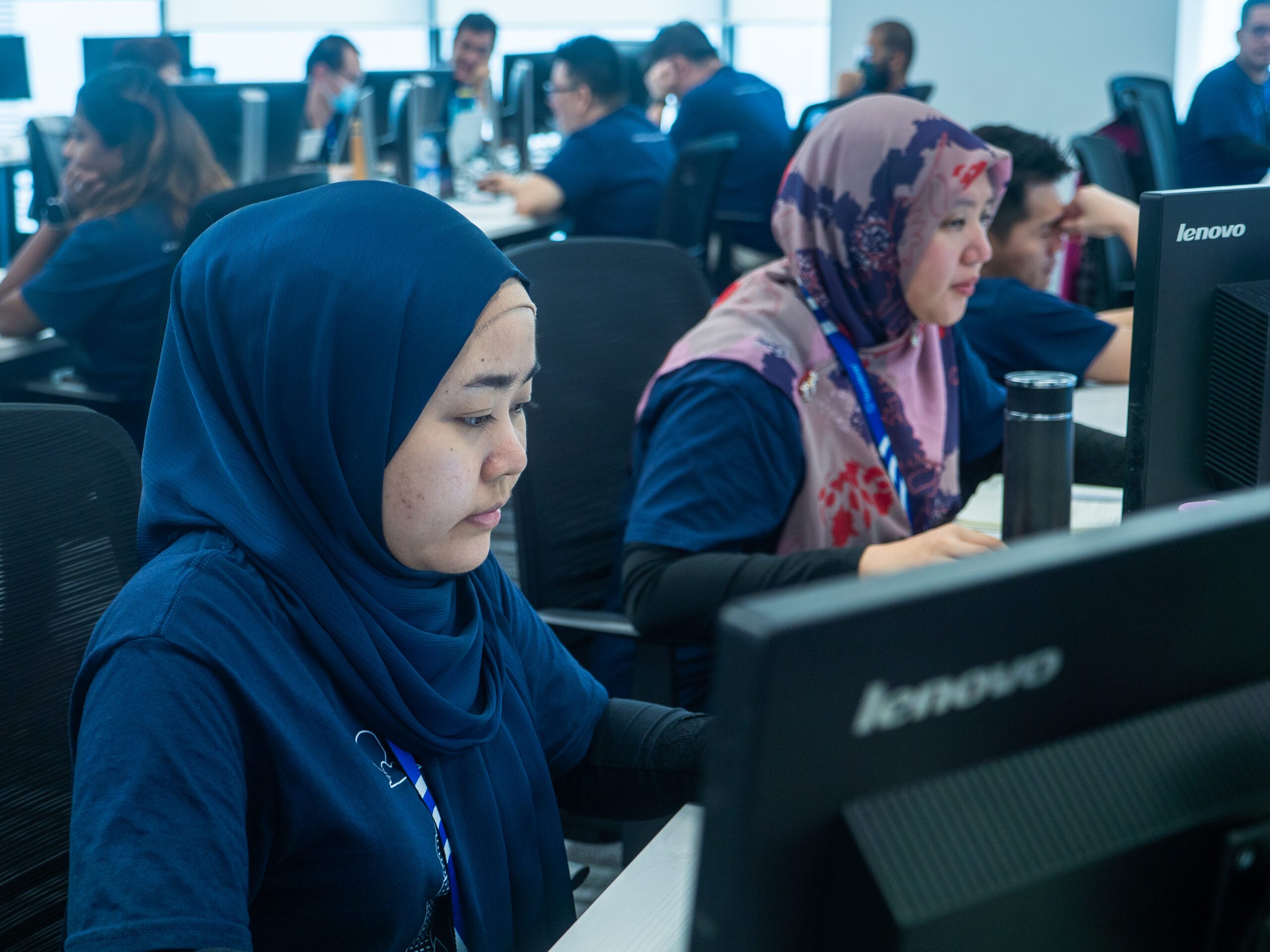












An Employer of Record (EOR) in Indonesia employs workers through a locally registered PT (Perseroan Terbatas) entity on behalf of foreign companies. The EOR handles BPJS contributions, employment contracts (PKWT/PKWTT), THR religious bonus, and Manpower Law compliance. Companies can hire Indonesian employees within 7-10 business days without establishing a local entity.EOR services in Indonesia handle BPJS, THR, and Manpower Law compliance.
What Is the EOR Process in Indonesia?
EOR onboarding in Indonesia follows six steps. Step 1: Client selects a candidate. Step 2: EOR drafts a Manpower Law-compliant employment contract (PKWT for fixed-term or PKWTT for permanent). Step 3: Employee signs with the EOR's Indonesian PT entity. Step 4: EOR registers the employee for BPJS Ketenagakerjaan (employment) and BPJS Kesehatan (health). Step 5: Payroll setup with monthly cycle. Step 6: Employee begins work.
Timeline: 7-10 business days for Indonesian nationals. Foreign workers require RPTKA (Expatriate Manpower Utilization Plan) approval and KITAS (Limited Stay Permit), adding 6-12 weeks. The EOR manages all immigration processes through the Ministry of Manpower. Aniday provides EOR in Indonesia: Aniday EOR Indonesia.
How Much Does EOR Cost in Indonesia?
Total employer cost = Gross average salary in Indonesia + ~11-13% statutory + EOR fee + THR (pro-rated monthly). For an employee earning IDR 15,000,000/month ($950): statutory ~IDR 1,800,000 ($114) + EOR fee ~$450 = total ~$1,514/month plus THR accrual. Entity setup in Indonesia costs $25,000-$50,000 with ongoing maintenance of $3,000-$6,000/month.
How Does the EOR Handle BPJS Contributions?
BPJS Ketenagakerjaan (Employment BPJS) covers four programs. JKK (Work Accident Insurance): 0.24-1.74% employer-paid based on industry risk level. JKM (Death Insurance): 0.30% employer-paid. JHT (Old Age Savings): 3.7% employer + 2% employee. JP (Pension): 2% employer + 1% employee. Total employer share: approximately 6.24-7.74%.
BPJS contributions are submitted by the 10th of the following month. Late payment incurs a penalty of 2% per month. The EOR manages all BPJS registrations and monthly submissions through the SIPP (Electronic Employment Social Security Contribution) system.
How Does the EOR Handle PKWT vs PKWTT Contracts?
Indonesian employment law distinguishes between PKWT (Perjanjian Kerja Waktu Tertentu: fixed-term) and PKWTT (Perjanjian Kerja Waktu Tidak Tertentu: permanent). PKWT contracts have a maximum duration of 5 years including extensions (per GR 35/2021). PKWTT contracts have no end date. The EOR issues the appropriate contract type based on the role and engagement duration.
PKWT contracts require compensation payment at the end of the contract: 1 month salary per year of service (pro-rated for partial years). This applies regardless of the reason for contract end. PKWT contracts cannot include a probation period: probation is only permitted under PKWTT. If a PKWT includes probation terms, the probation clause is void and the PKWT is deemed a PKWTT.
How Does the EOR Handle THR (Religious Holiday Bonus)?
THR (Tunjangan Hari Raya: Religious Holiday Allowance) is mandatory under GR 36/2021. All employees who have worked at least 1 month are entitled to THR. Employees with 12+ months of service receive 1 month salary. Employees with 1-12 months receive pro-rated THR. THR must be paid at least 7 days before the employee's religious holiday.
The EOR accrues THR monthly (1/12 of monthly salary) and distributes before the employee's nominated religious holiday (Eid al-Fitr, Christmas, Nyepi, Waisak, or Chinese New Year). Late THR payment triggers penalties of 5% of the THR amount. The EOR ensures timely payment and compliance with GR 36/2021.
Related Articles
Expand your team in Indonesia
Aniday handles compliance, payroll, and HR — so you can focus on growth.
What Are the EOR Limitations in Indonesia?
Three key limitations. First, GR 35/2021 restricts outsourcing to support activities only: core business functions cannot be outsourced. The EOR must structure employment as direct employment through its PT entity, not as outsourcing. Second, foreign worker permits (RPTKA/KITAS) require demonstrating that the position cannot be filled by an Indonesian and that the company will train Indonesian counterparts.
Third, Indonesia has a mandatory technology transfer requirement for foreign workers. The employing entity must appoint an Indonesian counterpart for knowledge transfer. This applies to EOR arrangements where foreign workers are hired. The EOR entity must demonstrate compliance with transfer of knowledge programs during permit renewals.
Related Articles
Ready to get started?
Aniday's EOR in Indonesia
Frequently Asked Questions
Is EOR legal in Indonesia?
Yes. EOR arrangements are legal when structured as direct employment through the EOR's PT entity. The worker is an employee of the EOR's PT, not an outsourced worker. GR 35/2021 governs outsourcing: the EOR structure avoids outsourcing restrictions by establishing direct employment. The EOR's PT must be properly registered with the Ministry of Manpower.
How does the EOR handle employee termination in Indonesia?
Indonesia has strict termination rules under GR 35/2021. Severance pay ranges from 1 to 9 months salary depending on tenure. Long Service Pay adds 2 to 10 months. Compensation Pay covers unused leave and housing/medical allowances. Total termination cost can reach 32 months salary for 24+ years of service. The EOR manages all termination calculations and procedures.
Can the EOR hire foreign workers in Indonesia?
Yes. The EOR manages RPTKA (approval), KITAS (stay permit), IMTA (work permit), and DKP-TKA (compensation fund of $1,200/year per foreign worker). Processing time: 6-12 weeks. Not all positions are open to foreign workers: Indonesia maintains a negative list of positions reserved for Indonesian citizens. The EOR verifies position eligibility before application.
Does Indonesia require a probation period for all employees?
Probation is only permitted under PKWTT (permanent) contracts, maximum 3 months. PKWT (fixed-term) contracts cannot include probation. If a PKWT contract includes a probation clause, the clause is null and void, and the PKWT is automatically deemed a PKWTT (permanent contract). This distinction is critical for EOR contract structuring.
What is the minimum wage in Indonesia?
Indonesia sets minimum wages by province and city/regency. Jakarta (DKI) minimum: IDR 5,067,381/month (2024). Surabaya: IDR 4,725,479. Bandung: IDR 4,209,309. The minimum varies significantly by region. Provincial governors set minimum wages annually based on inflation, economic growth, and living cost. Employers must pay at least the applicable regional minimum.