

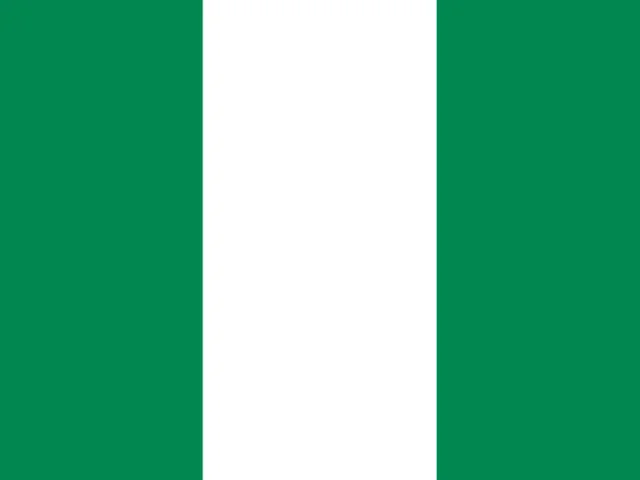

Nigeria has the largest economy in Africa with a labor force exceeding 90 million workers. Employment is governed by the Labour Act (Chapter L1, Laws of the Federation of Nigeria 2004), the Employee Compensation Act 2010, the Pension Reform Act 2014, the National Health Insurance Authority Act 2022, and the Nigeria Social Insurance Trust Fund (NSITF) Act. The Federal Ministry of Labour and Employment oversees enforcement.
What Are the Hiring Options for Foreign Companies in Nigeria?
An EOR in Nigeria handles registration with FIRS (Federal Inland Revenue Service), pension fund administration, NSITF enrollment, and NHF contributions. Entity registration requires Corporate Affairs Commission (CAC) and is available to 100% foreign-owned companies.
What Are the Mandatory Employer Costs in Nigeria?
The Pension Reform Act 2014 mandates a Contributory Pension Scheme (CPS) with minimum 18% total contribution (10% employer + 8% employee). Employers with 3+ employees must register with PENCOM. Income tax (PAYE) follows progressive rates: 7% (first NGN 300,000) to 24% (above NGN 3.2 million). Corporate income tax: 30% standard, 20% for medium companies.
What Types of Employment Contracts Are Used in Nigeria?
The Labour Act requires written contracts for employment of 3+ months. Contracts must specify: employee name, employer name, nature of employment, date of commencement, rate and method of wage calculation, working hours, holidays, sick leave, and notice period. Contracts are in English.
What Are the Termination Rules in Nigeria?
Nigeria does not mandate statutory severance pay. Termination notice periods are defined in Section 11 of the Labour Act. Wrongful termination claims go to the National Industrial Court. Redundancy payments, if provided, are contractual. The Employee Compensation Act 2010 covers work-related injuries and death.
What Are the Leave Entitlements in Nigeria?
What Are the Salary Benchmarks in Nigeria?
Lagos is the commercial capital with the highest salaries. Abuja (federal capital) leads in government-adjacent roles. The oil & gas sector in the Niger Delta pays premium salaries. Nigeria's tech ecosystem (Yaba/Lagos) is growing rapidly with fintech leading salary inflation. NGN/USD rates fluctuate significantly; salaries for international roles are often benchmarked in USD.
Related Articles
Expand your team in Nigeria
Aniday handles compliance, payroll, and HR — so you can focus on growth.
What Work Permits Do Foreign Employees Need in Nigeria?
Foreign workers need: (1) Expatriate Quota (EQ) approval from the Ministry of Interior, (2) Subject to Regularization (STR) visa, and (3) Combined Expatriate Residence Permit and Alien Card (CERPAC). The EQ specifies the number and roles of foreign workers allowed. Processing takes 4-8 weeks. Employers must demonstrate a training plan for Nigerian understudies (similar to Indonesia's pendamping requirement).
■Related Articles
Ready to get started?
Aniday's EOR in NigeriaFrequently Asked Questions
Can foreign companies own 100% of a Nigerian company?
Yes. Nigeria allows 100% foreign ownership with no minimum capital requirement for most sectors (except oil & gas, banking, and broadcasting). Registration with CAC takes 2-4 weeks.
What is the minimum wage in Nigeria?
The national minimum wage is NGN 70,000/month (effective 2024, up from NGN 30,000). States can set higher minimums. Lagos state follows the federal minimum.
Is pension mandatory for all employers?
Yes. The Pension Reform Act 2014 requires all employers with 3+ employees to contribute minimum 10% of monthly emoluments to a registered Pension Fund Administrator (PFA). Employees contribute minimum 8%.